
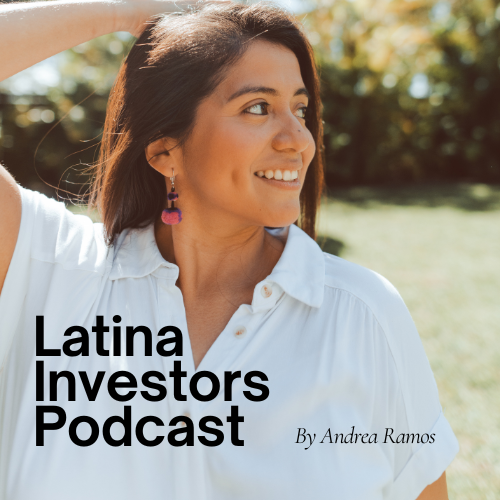
If you have extra money every month and you're wondering how to start investing for beginners, you are not alone — and you are not behind. You're just missing the sequencing.
In this episode, Andrea breaks down a question she found in a Facebook mom's group that stopped her mid-scroll: if you had $1,000 a month to spare, how would you invest it? The answers in the comments were all over the place — precious metals, Dave Ramsey, life insurance, Edward Jones cold pitches — and Andrea knew that none of them were actually answering the question.
So she answered it herself, the way she would if you were sitting across from her.
You'll learn the 5-layer sequencing framework Andrea walks her clients through before anyone opens a brokerage account: starting with a fully funded emergency fund, moving into retirement investing, covering urgent savings goals, tackling debt strategically, and only then looking at brokerage investing for bigger life goals.
You'll also learn why a brokerage account at Fidelity, Vanguard, or Charles Schwab is the right place for flexible, midterm wealth building, how to think about your time horizon before you invest a single dollar, and how to decide your stock-to-bond split based on your actual risk tolerance — not someone's viral TikTok. Andrea also shares what she did with $10,000 in 2022 when the market was crashing, and what she bought five years later using passive growth from that portfolio.
Learn more about 1:1 Money Coaching: www.buildinggenwealth.com/moneycoaching
What You'll Learn from this Episode:
The five-layer sequencing framework for where to put your money before you start investing
Why a fully funded emergency fund and retirement investing come before a brokerage account
How to save for urgent short-term goals without undoing your debt payoff progress
What a brokerage account actually is and which brokers Andrea recommends for beginners
How to choose between index funds based on your timeline and risk tolerance
What the stock-to-bond split means and how to use it to control your investment risk
Why time in the market protects you from losses more than timing the market ever will